
Preventive Dentistry
Why Fluoride Treatment Matters for Oral Health


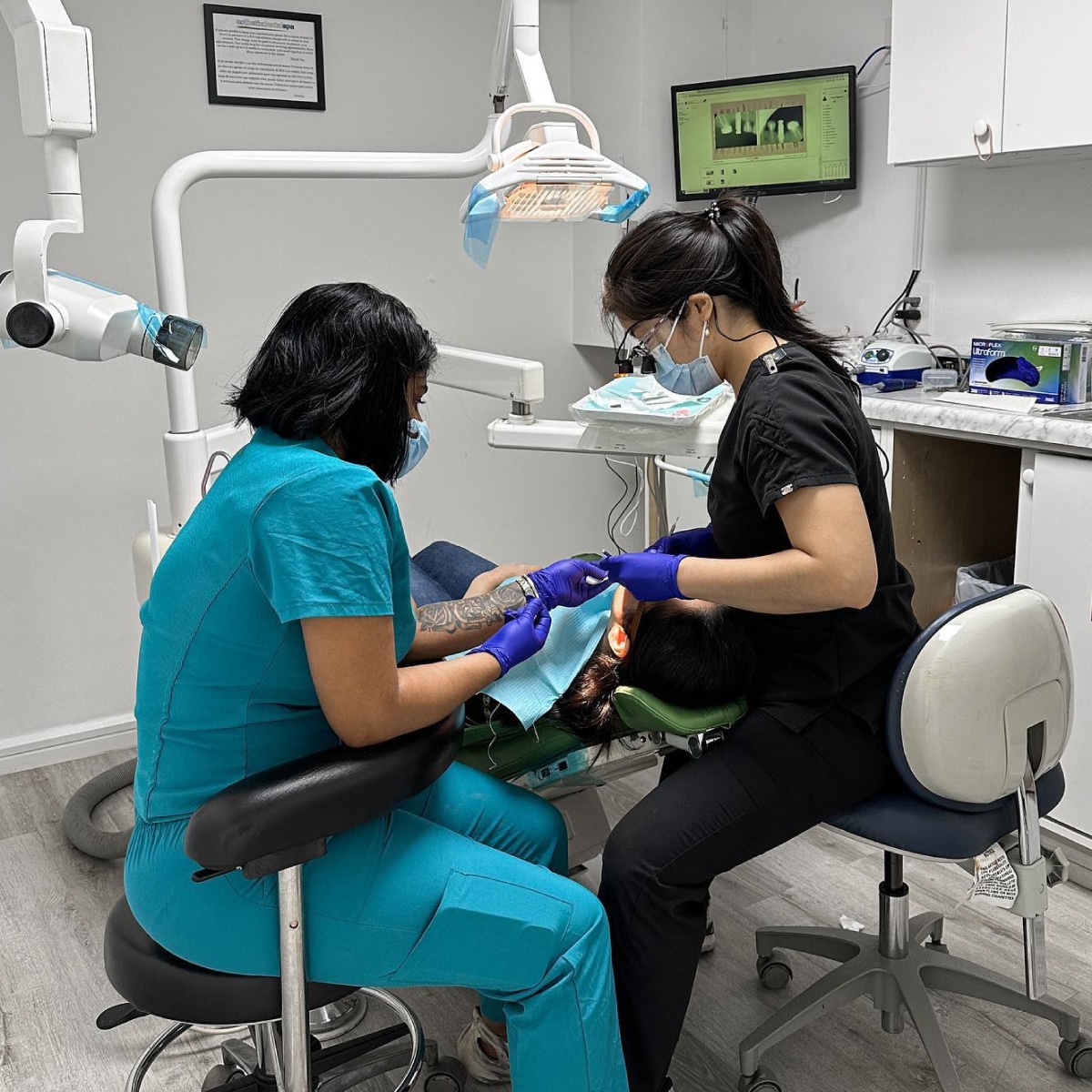
At Esthetix Dental Spa in Washington Heights, we remind our patients that fluoride is not just for children. It is one of the simplest ways to strengthen enamel, slow early decay, and help avoid a future filling. A professional treatment is most useful when your dentist sees a higher risk of cavities, not as a one-size-fits-all add-on.
When professional fluoride may help
- Fluoride helps replace minerals that acid has pulled from enamel, making the surface more resistant to future acid attacks.
- Toothpaste and fluoridated water provide steady low-level protection. A dentist can add a concentrated varnish, gel, or foam when a patient needs more help.
- Children, adults with dry mouth, people who get cavities often, and adults with exposed root surfaces may benefit most.
- Fluoride can stop or reverse very early enamel changes. It cannot repair a hole that already needs a filling.
What Fluoride Actually Does
Every time you eat or drink something containing fermentable carbohydrates, bacteria in plaque produce acid. That acid pulls minerals from the outside of the tooth. Saliva helps restore some of them. Fluoride makes that repair process more effective by helping replace lost minerals and making enamel harder to dissolve during the next acid exposure.
The National Institute of Dental and Craniofacial Research explains that fluoride strengthens enamel and can help reverse early decay by replenishing lost minerals. Their fluoride overview explains how fluoride supports enamel and early remineralization.
The 3 Stages of Enamel Repair
Fluoride works inside a daily cycle of mineral loss and repair. Here is how that cycle plays out on the tooth surface:
Can Fluoride Reverse a Cavity?
Fluoride can help stop or reverse the earliest stage of decay, before there is a physical hole in the tooth. Once decay has progressed into a cavity, the lost structure does not grow back and the tooth may need a filling or another restoration. That is why regular exams matter: the earlier a change is found, the more conservative the treatment can be.
Professional Fluoride Treatment Versus Toothpaste
Both matter, but they serve different purposes. Fluoride toothpaste and, where available, fluoridated community water keep a small amount of fluoride present regularly. A professional treatment gives a concentrated topical dose directly to clean tooth surfaces.
In the office, the most common option is fluoride varnish. It is painted onto the teeth in a thin layer and stays in close contact with them for hours. Gels and foams are other options. The treatment itself is quick, but the aftercare is product-specific. A gel or foam may come with a short wait before eating or drinking, while varnish often comes with instructions about what to eat and when to brush. Follow the instructions you receive rather than applying a generic rule to every fluoride product.
The American Dental Association’s clinical guideline recommends professionally applied or prescription-strength topical fluoride for people at elevated cavity risk, with the exact product and schedule based on age and individual needs.
Are There Side Effects to a Professional Fluoride Treatment?
Professional topical fluoride is used in a small amount and applied directly to the teeth. The main safety concern is not the treatment itself, but chronic over-swallowing of fluoride during the years when permanent teeth are forming. That is why caregivers should supervise young children with toothpaste and why the dentist selects the product based on age and cavity risk. Let us know about your child’s age, health history, and fluoride exposure before treatment.Always inform your dentist about your child’s age, health history, and daily fluoride exposure before treatment.
Who Benefits Most From Fluoride Treatment?
Fluoride is useful across ages, but a professional treatment has the most value when your cavity risk is higher than average. During an exam, we look at your cavity history, how much plaque is present, whether your gums have receded, what your saliva flow is like, and whether there are early weak spots in the enamel.
- Children and teens who are still building dependable brushing habits or have recently erupted permanent molars.
- Adults who get cavities repeatedly, especially around older fillings or along the gumline.
- People with dry mouth. Many medications, medical conditions, mouth breathing, and cancer treatments can reduce saliva, which is a major natural defense against decay.
- Adults with gum recession. Root surfaces do not have the same enamel protection as the visible part of the tooth and are more vulnerable to decay.
- Patients with braces, aligners, crowns, bridges, or extensive dental work when it is harder to keep every surface clean and plaque can collect around margins or brackets.
Yes, Adults Need Fluoride Too
A common misconception is that fluoride treatment is only for kids. Enamel stays vulnerable to acid for life, and many adults pick up new risks over time: older fillings and crowns with weakening edges, gum recession that exposes softer root surfaces, and medications that reduce saliva. If recent checkups have turned up new cavities or early weak spots, professional fluoride can add protection between visits. Whether it is right for you depends on the risk factors your dentist sees, not on your age.
How Often Do I Need a Fluoride Treatment?
There is no one schedule that fits everyone. Your dentist may recommend professional fluoride more often when you have a history of cavities, dry mouth, exposed roots, orthodontic appliances, or other signs of elevated risk. If your risk is low and you brush with fluoride toothpaste consistently, you may not need an added professional treatment at every visit. An exam is the right place to decide.
Wondering if your current cavity risk requires professional fluoride?
What Happens at a Fluoride Appointment?
Usually, a fluoride application is part of a routine exam or professional dental cleaning. We first check for active decay, gum inflammation, worn enamel, and areas where plaque collects. If fluoride is appropriate, we dry the teeth and apply the product. Varnish sets quickly. The actual application takes only a few minutes.
Fluoride is one part of prevention, not a substitute for cleaning between teeth, brushing with fluoride toothpaste, or treating active decay. A general dentistry exam is where we can match that plan to the teeth and risk factors we actually see.
Fluoride and Children: The Details Parents Should Know
Parents hear conflicting advice about fluoride, so this is where the details matter. The CDC says fluoride helps both children and adults prevent cavities. For young children, the goal is to get the benefit while limiting how much toothpaste is swallowed. The CDC’s current fluoride guidance explains how varnish, toothpaste, water, and professional care fit together.
For children up to age 2, use a smear of fluoride toothpaste about the size of a grain of rice as soon as the first tooth erupts. From ages 3 through 6, use a pea-sized amount. An adult should help or supervise brushing until the child can reliably spit rather than swallow toothpaste. If you are unsure about your child’s water source or supplement needs, ask during a children’s dentistry visit instead of starting supplements on your own.
Check your water source. New York City tap water is fluoridated at about 0.7 mg/L, according to the city’s annual drinking water quality report. If your family uses well water or spends time outside the city, the CDC’s My Water’s Fluoride tool lets you look up a local water system in participating states (New York State is not one of them, so city families should use the report above). Bring what you find to your child’s next visit and we can decide together whether anything else is needed.
Daily habits still do most of the work. Our oral-hygiene tips for children can help families build brushing, flossing, and snack routines that make fluoride more effective.
Is Fluoride Varnish Safe for Children?
When it is applied by a dental or healthcare professional, fluoride varnish uses a small amount of product directly on the teeth. The ADA recommends 2.26% fluoride varnish for children younger than six who are at risk for cavities. The dentist will take your child’s age, cavity risk, health history, and fluoride exposure into account before recommending it.
Fluoride and Dental Sealants: Different Jobs, Better Prevention
Fluoride and dental sealants are often discussed together, but they work differently. Fluoride supports enamel across the tooth surface and can be especially helpful along exposed roots. A sealant is a thin protective coating placed in the deep chewing grooves of back teeth, where plaque can collect and toothbrush bristles may not fully clean.
For a child or teen with newly erupted molars, a dentist may recommend one, both, or neither based on the tooth anatomy and cavity risk. Many children benefit from both: fluoride supports enamel throughout the mouth, while sealants protect the pits and grooves of back teeth. A dental exam shows whether the molars have deep grooves, whether early decay is present, and which preventive step is most useful now. They are complementary preventive tools, not competing treatments.
When Fluoride Is Not Enough
Fluoride works best before a cavity becomes a hole. It can help remineralize early, non-cavitated enamel changes, but it cannot regrow lost tooth structure, close a physical cavity, treat an infected nerve, or remove hardened tartar. If an exam finds decay that has progressed, treatment may include a composite filling, a crown, or, in more advanced cases, root canal therapy.
It also cannot solve the cause of constant acid exposure. Frequent sipping on sweetened drinks, reflux, dry mouth, and plaque buildup can keep overwhelming the enamel. Addressing the source of repeated acid exposure matters just as much as fluoride. If a tooth is already painful, do not try to manage it with prevention alone. Use our tooth-pain care page to understand when to seek prompt treatment.
Can Fluoride Help Sensitive Teeth?
It can help some patients, especially when sensitivity is related to early enamel wear or exposed root surfaces. Sensitivity has several possible causes, including a crack, a cavity, gum recession, or clenching. An exam is important before assuming fluoride is the answer.
How to Make Fluoride Work Better at Home
- Brush twice each day with fluoride toothpaste. Spit out the excess after brushing. Do not rinse heavily with water right away, because that washes away the fluoride left on your teeth.
- Floss or use an interdental cleaner daily. Fluoride cannot protect surfaces that are covered by plaque.
- Limit frequent sugar and acid exposures. It is not only the amount of soda, juice, or sweets that matters. Frequent sipping gives enamel less time to recover.
- Keep regular checkups. Routine dental cleanings and exams help us catch early decay when fluoride and small changes are most effective.
- Tell us about dry mouth. If you wake up thirsty, take several medications, or feel like you need water to swallow dry food, mention it. That changes your prevention plan.
Fluoride Treatment in Washington Heights
At Esthetix Dental Spa in Washington Heights, Dr. Arvind Philomin and Dr. Divya Adusumilli consider your cavity history, exam findings, daily habits, and health history before recommending fluoride. You will know whether professional fluoride adds meaningful protection for you or your child, and why.
Looking for preventive dental care in Washington Heights? Schedule an exam and cleaning at Esthetix Dental Spa. We can evaluate early decay, dry mouth, sensitivity, and other risk factors before they turn into a bigger dental problem.
Call (212) 795-9675 or request an appointment. Our office is at 285 Fort Washington Ave, New York, NY 10032.

Esthetix Dentist, NYC’s Dental Implant & Cosmetic Specialist
285 Fort Washington Ave,
New York, NY 10032
Phone: (212) 795-9675
Website: esthetixdentalspa.com
Last updated September 2026.