
Daily Oral Care
Toothbrush 101: Choosing and Using the Right Brush


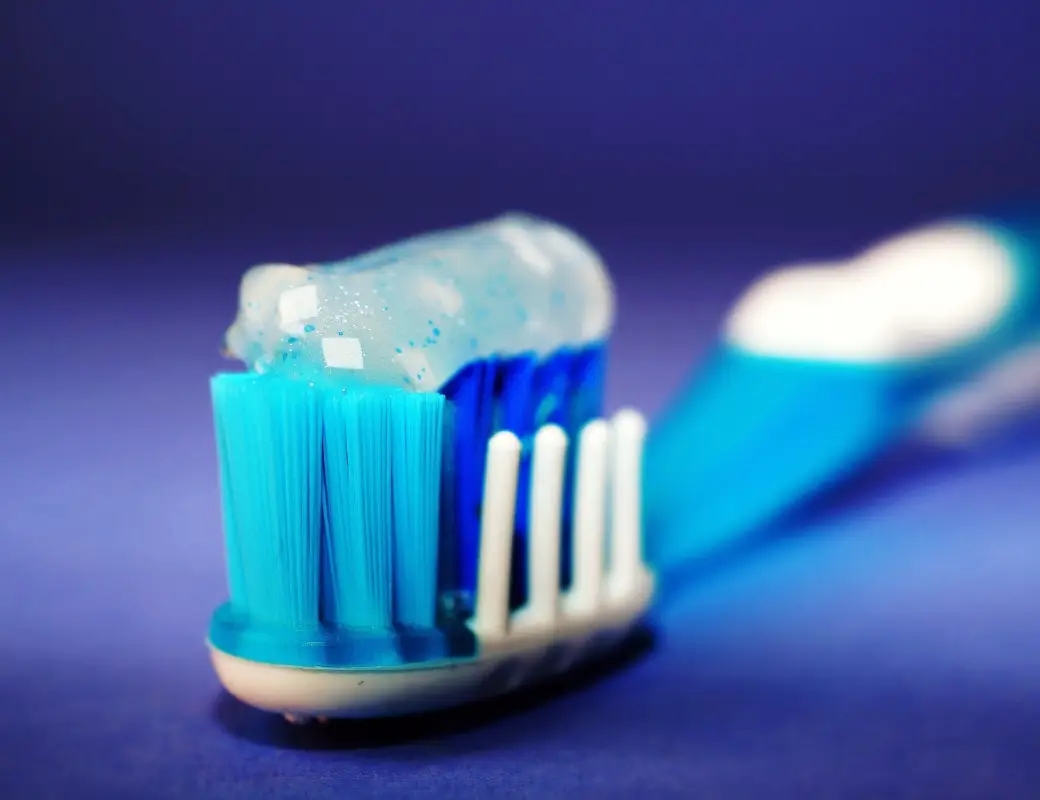
Stand in the dental aisle of any Washington Heights pharmacy and you will find a wall of choices: soft, medium, and hard bristles, angled heads, charcoal bristles, and a dozen electric models. It is easy to feel overwhelmed, or to grab whatever is on sale and hope for the best. The good news is that choosing well comes down to a few simple rules.
For most patients, the right toothbrush is gentle on the gums, comfortable to hold, and easy to use thoroughly twice a day. A soft-bristled brush, fluoride toothpaste, and a consistent routine matter far more than an expensive gadget or hard scrubbing.
What we recommend for most patients
Choose a soft-bristled brush with a head that comfortably reaches your back teeth. Brush twice a day for about two minutes with fluoride toothpaste, clean between teeth daily, and replace the brush or head about every three to four months. Manual and powered brushes can both work well.
How Do You Choose the Right Toothbrush?
Your primary focus shouldn’t be the brand name, but rather bristle softness. The American Dental Association recommends soft bristles because they can remove plaque while being gentler on gums and tooth surfaces. A smaller head often makes it easier to reach the inside of the lower front teeth and the back molars.
Quick guide: match the brush to your needs
- Most adults: Start with a soft-bristled manual or powered toothbrush that feels comfortable to use twice a day.
- Back teeth or a smaller mouth: A compact head can make those areas easier to reach.
- Braces or limited hand movement: A powered brush may help with consistency; use a soft head and slow down around brackets and the gumline.
- Children: Choose a child-sized, soft-bristled brush and keep an adult involved with brushing.
If you are comparing brands, look for the ADA Seal of Acceptance. The ADA reviews evidence that accepted manual and powered toothbrushes are safe and effective for plaque removal and reducing gingivitis. Its guidance also notes that multi-level or angled bristles may remove more plaque than conventional flat-trimmed bristles.
Does the ADA Seal Matter When Choosing a Toothbrush?
It can be a helpful starting point. The Seal means the American Dental Association has reviewed manufacturer evidence against its safety and effectiveness requirements. It does not mean you need one specific brand. Choose an accepted soft-bristled brush that feels comfortable and that you will use consistently.
Are Medium or Hard Bristles Better at Removing Plaque?
No. More pressure is not the same as better cleaning. Harder bristles and aggressive scrubbing can irritate gums and wear tooth surfaces. A soft brush used carefully is usually the safer, more effective choice.
Is an Electric Toothbrush Better Than a Manual One?
Both can keep your teeth exceptionally clean when used correctly. The American Dental Association explains that both manual and powered brushes can be effective. A powered brush may make consistency easier with a timer, a pressure sensor, or a smaller rotating head, and it may be especially helpful for people with limited hand movement or braces.
Choose the version you are most likely to use twice every day. The better choice is the one that helps you clean every surface gently for the full two minutes. For a fuller comparison, read our manual versus electric toothbrush guide.
Sonic vs. Oscillating Electric Toothbrushes
Patients often ask us which type of electric brush is better. Oscillating brushes have a small round head that rotates back and forth, cupping one tooth at a time. Sonic brushes have a more traditional oval head that vibrates side to side at very high speed. A Cochrane review of powered toothbrushes found that rotating-oscillating brushes removed slightly more plaque and reduced gum inflammation a bit more than side-to-side brushes in short-term studies, but the difference was small. In practice, both work well. Pick the one that feels comfortable and that you will use gently, tooth by tooth, for the full two minutes.
Do You Need a Special Toothbrush for Braces?
Not necessarily. A soft brush with a compact head can clean around brackets and wires. Slow down at the gumline and around each bracket. Interdental brushes or floss threaders can help clean the areas that regular bristles do not reach.
How Do You Brush Without Hurting Your Gums?
Good brushing is deliberate, not forceful. The foundation of the technique the American Dental Association describes is simple: hold the brush against the gumline at a 45-degree angle, so the bristles point partly at the teeth and partly at the gums. That angle lets the bristles sweep plaque from the tooth surface and just under the edge of the gums. Then use short, gentle back-and-forth strokes about one tooth wide. Clean the outside, inside, and chewing surfaces of every tooth. Pay extra attention to the inside of the lower front teeth and the outer surfaces of the upper back teeth, where plaque can collect.
- Set a two-minute timer. Divide your mouth into four sections so you do not rush the last teeth.
- Use a pea-sized amount of fluoride toothpaste. For young children, use the smaller amount recommended for their age and supervise brushing.
- Hold the brush at a 45-degree angle to the gumline and brush every tooth surface. If the bristles flatten quickly, you may be pressing too hard.
- Spit, then clean between teeth once a day. Avoid a heavy rinse right after brushing, and use floss or another interdental cleaner for contact areas.
For more practical guidance on brushing, flossing, and cleanings, see our daily dental hygiene routine.
Should You Wet Your Toothbrush Before Adding Toothpaste?
Wetting your toothbrush is entirely a matter of personal comfort. The important parts are using fluoride toothpaste, brushing for the full two minutes, and not immediately washing all toothpaste away with a heavy rinse.
How Often Should You Replace Your Toothbrush?
Replace your toothbrush or powered brush head about every three to four months, or earlier when the bristles look splayed, frayed, flattened, or matted. Worn bristles do not clean as well and can lead you to press harder.
After brushing, rinse the brush, store it upright, and let it air dry. Do not share toothbrushes. Allow a moist toothbrush to air dry rather than keeping it in a closed container at home. A travel case is useful while you are traveling, but uncover the brush when you arrive so it can dry.
Should You Sanitize Your Toothbrush?
Most people do not need to. Rinsing and air drying is enough. Avoid boiling your toothbrush, running it through the dishwasher, or microwaving it: the ADA notes that high heat can damage the brush, and warped or softened bristles clean poorly. UV sanitizers are not necessary either, since there is little research showing that sanitizing a toothbrush protects your health. Your money is better spent replacing the brush or head on schedule.
Should You Replace a Toothbrush After Being Sick?
It is reasonable to replace a brush if your dentist or physician recommends it for your situation, especially if it is worn. The more important everyday habits are not sharing brushes and letting them dry between uses.
How to Choose the Best Toothbrush for Your Child
Start brushing when the first tooth appears. Choose a child-sized brush with soft bristles and a small head. A child can help early, but an adult should take over or closely supervise until the child can consistently brush every surface and spit out excess toothpaste.
For children under age three, use a smear of fluoride toothpaste about the size of a grain of rice. From ages three through six, use a pea-sized amount. This matches American Academy of Pediatric Dentistry guidance. Our children’s dentistry team can help if brushing is difficult, a child has frequent cavities, or you are unsure about the right routine.
What If a Child Refuses to Brush?
Keep the routine short, predictable, and positive. Let your child choose a soft brush color or use a timer, but keep an adult involved. If brushing causes pain, bleeding, or strong resistance that does not improve, schedule a dental visit to rule out a problem.
What Can a Toothbrush Clean, and What Does It Miss?
A toothbrush cleans accessible tooth surfaces, but it cannot remove hardened tartar, repair decay, or treat gum disease. It also cannot clean the contact areas between teeth by itself, so daily flossing or another interdental cleaner is part of a complete routine.
Book an exam if you notice persistent bleeding, swelling, sensitivity, pain, bad breath, or a change in a tooth or gumline. Regular professional cleanings remove buildup and give us a chance to find concerns that are difficult to see at home.
What If Your Gums Bleed When You Brush?
Bleeding often signals inflammation from plaque buildup, but it can have other causes. Do not stop cleaning the area. Brush gently, clean between teeth, and arrange an exam if bleeding continues, is heavy, or comes with swelling, pain, bad breath, or loose teeth.
Experiencing persistent bleeding when you brush? Bleeding gums are often the first sign of gingivitis.
Book a Preventive Exam With Dr. Philomin in Washington Heights
Personalized Brushing Guidance in Washington Heights
A toothbrush choice should fit your mouth, daily routine, and any treatment you have, such as braces, implants, crowns, or sensitive gums.
During a preventive visit, Dr. Arvind Philomin and Dr. Divya Adusumilli can review your brushing and flossing routine, gum health, and cavity risk in person.
Want personal guidance on your home care routine? Call (212) 795-9675 or request an appointment at Esthetix Dental Spa in Washington Heights.

Esthetix Dentist, NYC’s Dental Implant & Cosmetic Specialist
285 Fort Washington Ave,
New York, NY 10032
Phone: (212) 795-9675
Website: esthetixdentalspa.com
Dental information disclaimer: This article is educational and does not replace an in-person dental examination. Your ideal routine can depend on your teeth, gums, restorations, medications, and health history.